Future‑proof your yield
with Nordic microbes
Our vision for agriculture
Nordic microbes A/S is a Danish biotech company. We develop and commercialise a new generation of agricultural products based on carefully selected, natural and beneficial microorganisms.
Our goal is to equip agriculture with a future‑proof toolbox that enables farmers to maintain a healthy business, produce food for society, and do so in a way that benefits our environment, nature, and health.
Farmer
Distributor
Our products
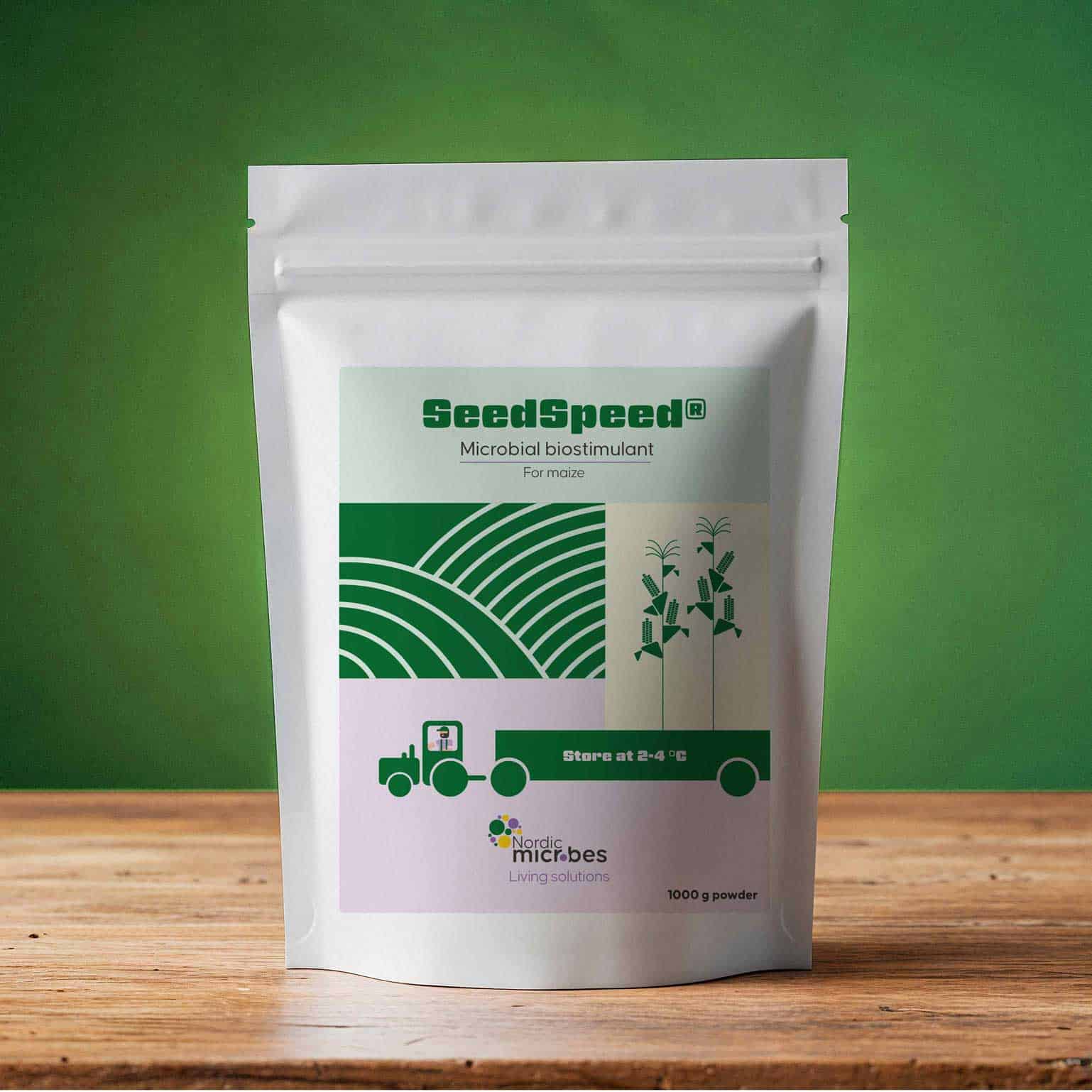
SeedSpeed®
Microbial seed treatment for legumes, maize, and cereals.
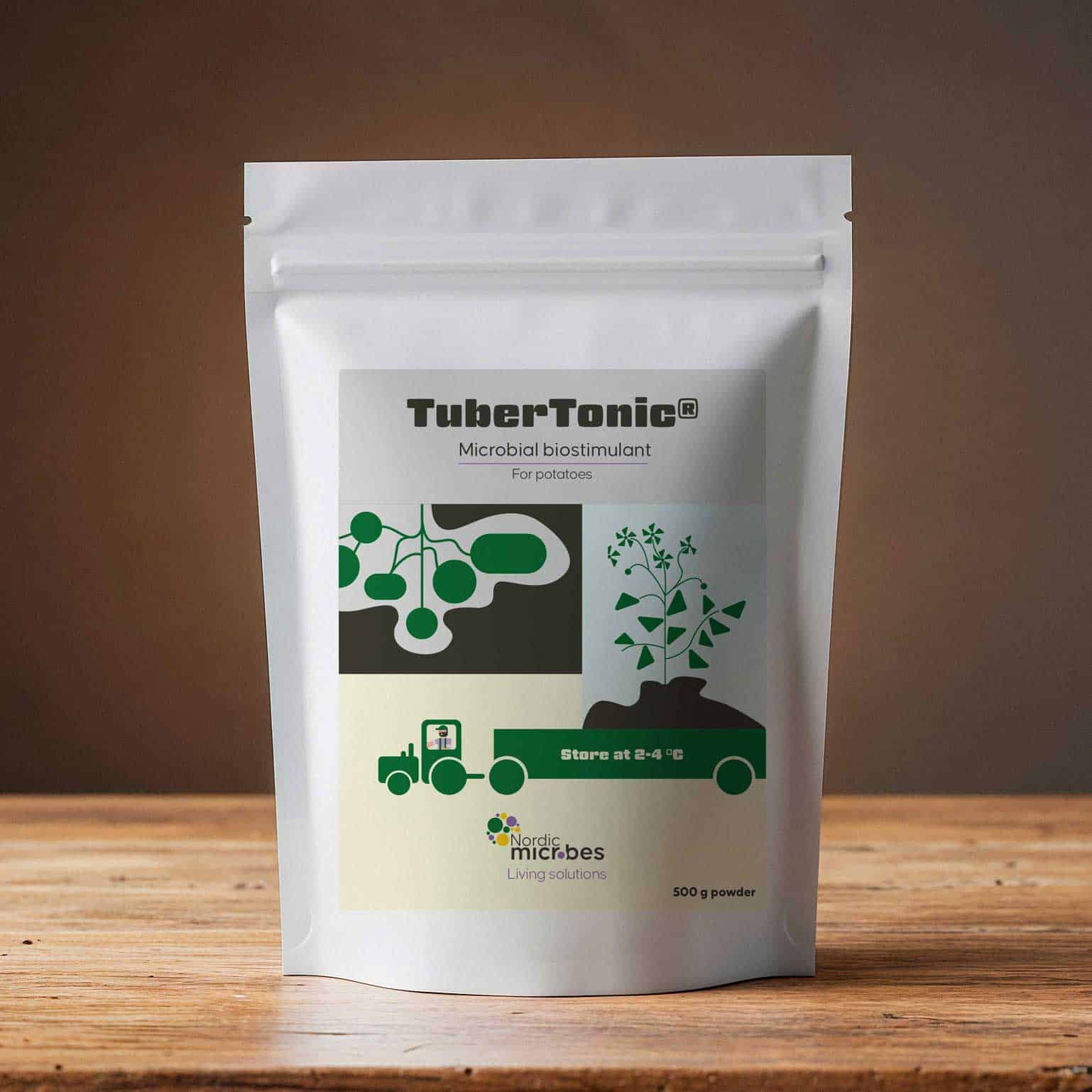
TuberTonic®
Microbial product for potatoes. The product can be used both via roller-table treatment or applied directly in-furrow on the planter.
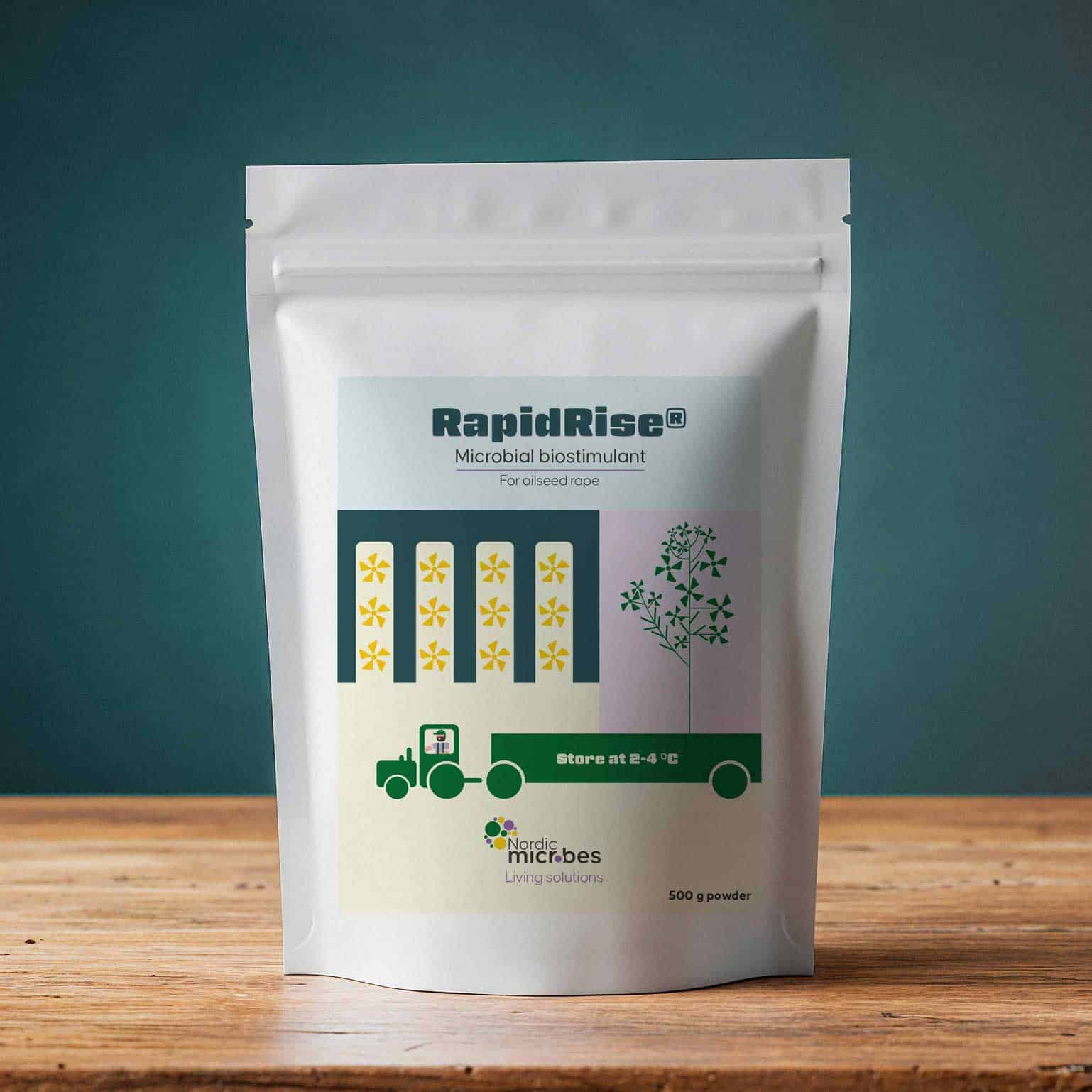
Microbial seed treatment for oilseed rape.
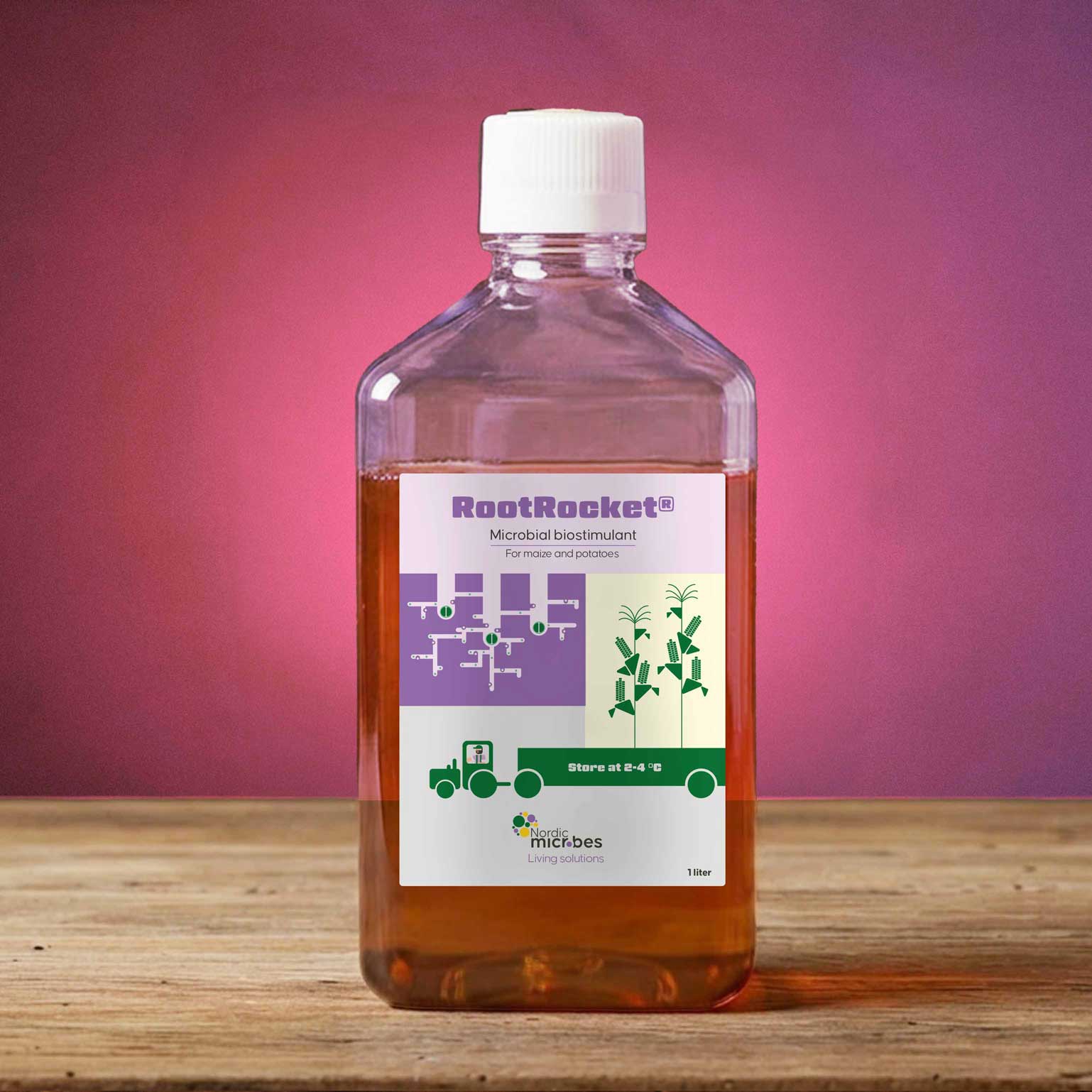
RootRocket®
Microbial product for coating and in‑furrow application in maize and potatoes.
See what the farmers say
How does it work?
Do you want to know how our microbial biologicals work?
Have a look!
Testimonials
In terms of yield, we saw a 10% increase in 2024. This year it was close to 15%. By now, we’re quite confident that it should be used across the entire area.
We could see a huge difference once we reached the stem elongation stage. There was far more growth and vigour in the crops that had received SeedSpeed®.
There was significantly more tillering, row closure, and a clear difference in plant height.
The microorganisms are sourced in Denmark, so they naturally belong here. I felt that using something local would have a greater chance of delivering an effect under our conditions.
I am very pleased with our collaboration with Nordic microbes, and I have experienced that my customers have responded very positively to SeedSpeed®.
Several customers report seeing a clear difference in spring barley. The untreated area appears much more yellow, whereas the adjacent strip treated with SeedSpeed® is green and healthy.
Nordic microbes are very proactive and follow up with all farmers who are testing the product. This creates a high level of credibility among customers, which is extremely important to us.
It sounded promising that we could treat the crop before establishment.
SeedSpeed® was tested on broad beans, and we were able to see a visible difference in growth throughout the season. Once the plants reached a certain size, there was a clear difference in height. When we dug up some plants, we could also see a distinct difference in root development.
In the broad beans, we achieved a yield increase of about 10%. This year [2025], we are running trials again and hope to see another yield benefit.
We have a 21‑hectare field where, last year, we sowed both with and without SeedSpeed®.
I have to admit that I was sceptical at first when I tried it. But no matter how I’ve analysed and compared the harvest results – and even tried to talk the product down – I’ve had to acknowledge that there was a difference. Whether I look at individual strips or the field as a whole.
We harvested an additional 200 kg per hectare, along with increased protein content. This year, we’ve chosen to scale it up to 130 hectares.
Once people have tried SeedSpeed®, we find that they want to try it again.
It was clear right from the early growth stages.
The maize plants grown from SeedSpeed®‑treated seed got off to a much better start than the untreated plants. Even after we carried out weed control spraying, the SeedSpeed®‑treated maize performed better.
They recovered faster than the untreated plants and were simply much more robust.
After the trial, the conclusion was clear to us. We wanted to expand the area treated with SeedSpeed®. In the coming season, we’ve chosen to apply SeedSpeed® on 75% of our maize area – and we’ve eliminated the phosphorus placement altogether.
We’re convinced of the effect of SeedSpeed®. That’s why, in 2026, we’re expanding its use to our oilseed rape as well.
We have high levels of phosphorus and potassium that are tightly bound and not readily available to the plants.
With the new regulations we are facing, it could be highly relevant to see whether some of this bound nutrient content can be made available.
What we have seen so far is that phosphorus may have become more available in areas where we’ve achieved greater root development.